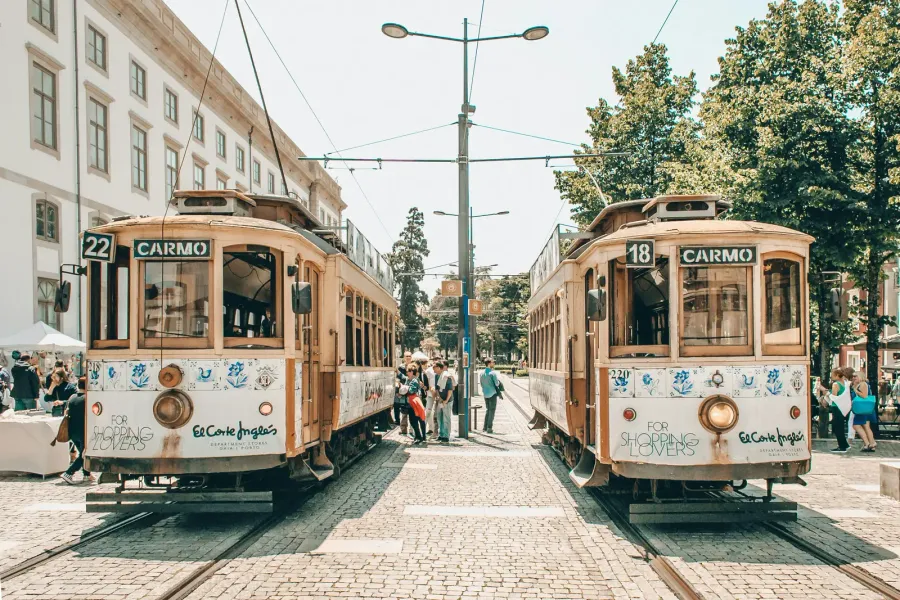
Porto is a city that asks you to slow down, partly because it is beautiful and partly because the hills give you very little choice.
You arrive thinking you will move efficiently from one place to the next. Then the pavement changes under your feet, a blue-tiled church catches the light, someone opens a café door, and the plan becomes less important than the street in front of you.
That is usually when a trip starts to become memorable.
First Impressions
The first thing I noticed was the color.
Not one color, exactly, but a collection of them: terracotta roofs, pale stone, deep green shutters, blue tile, yellow trams, white laundry moving slightly in the afternoon air. Porto has a way of making ordinary corners feel composed without looking polished.
It is not a city that needs to be perfect to be photogenic.
A cracked wall, a narrow balcony, a quiet doorway, a table set for two outside a small restaurant: everything seems to hold a little texture.
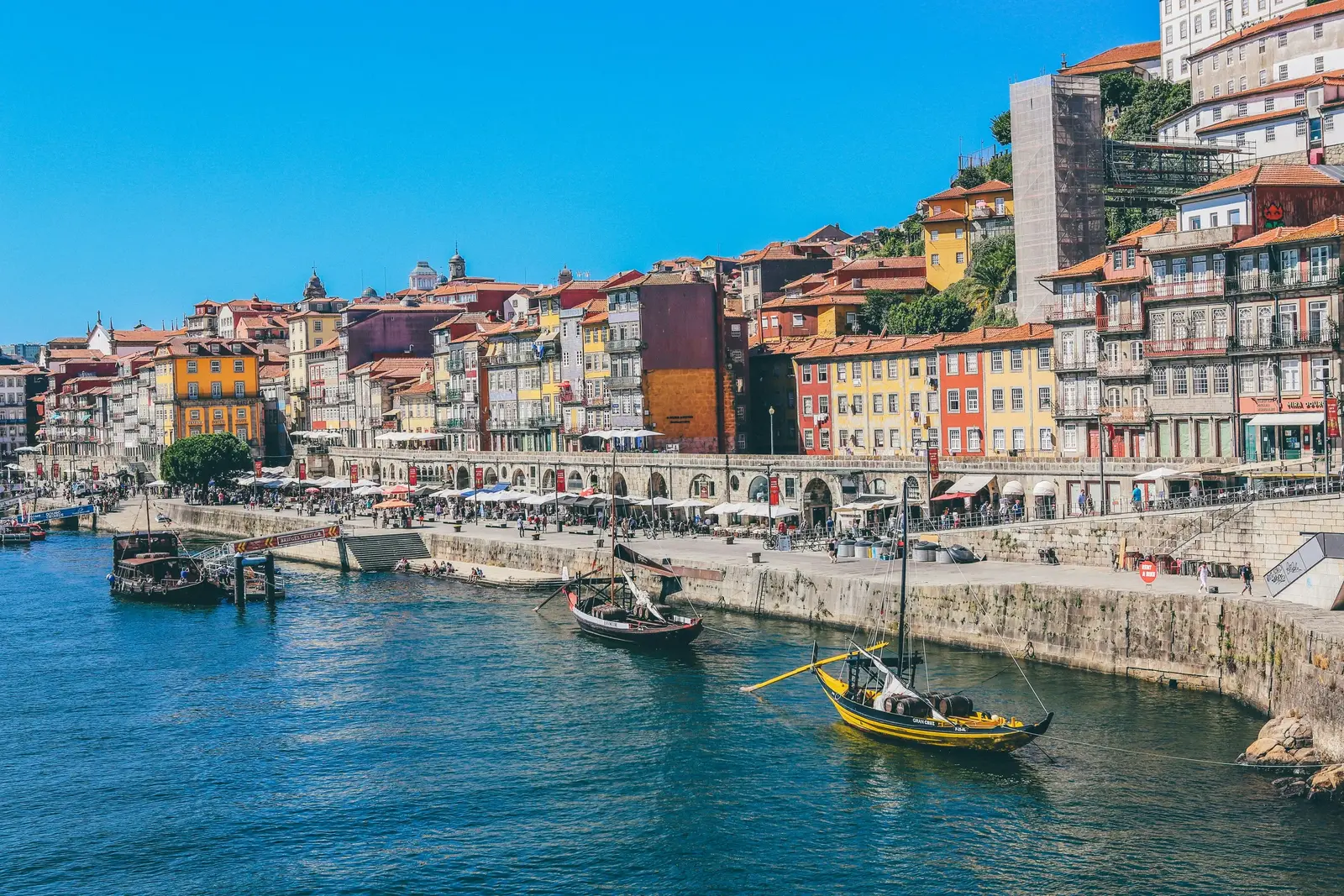
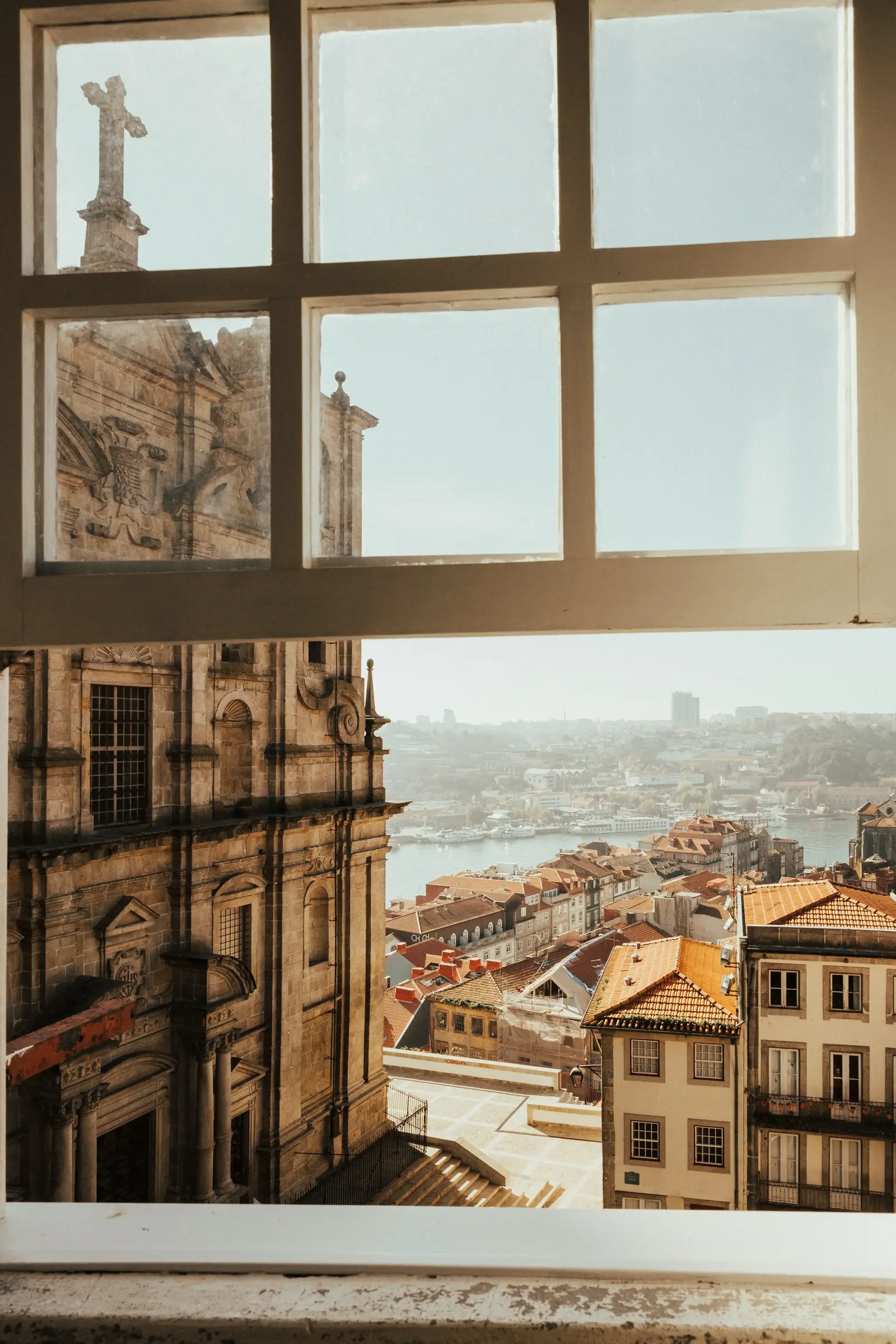
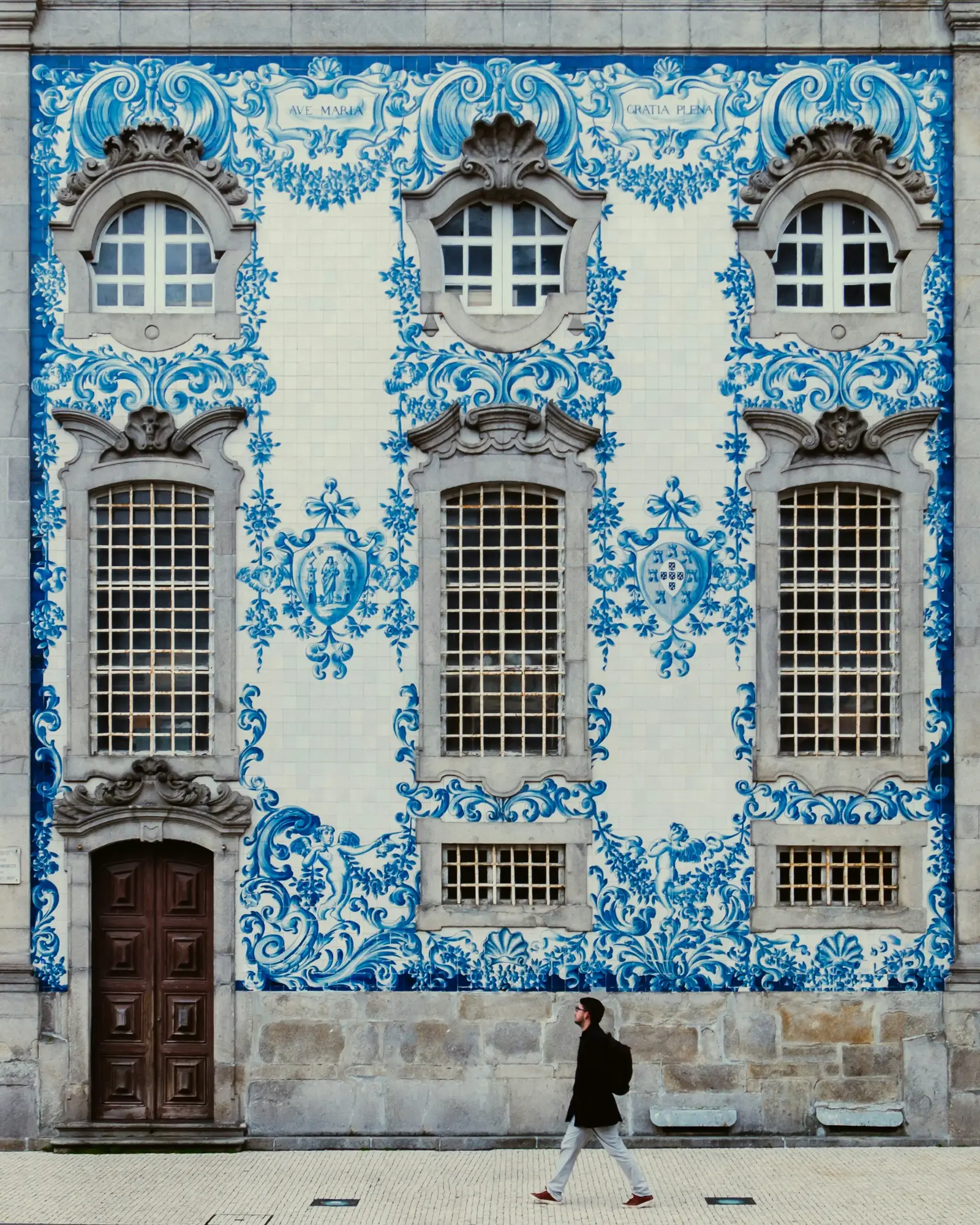
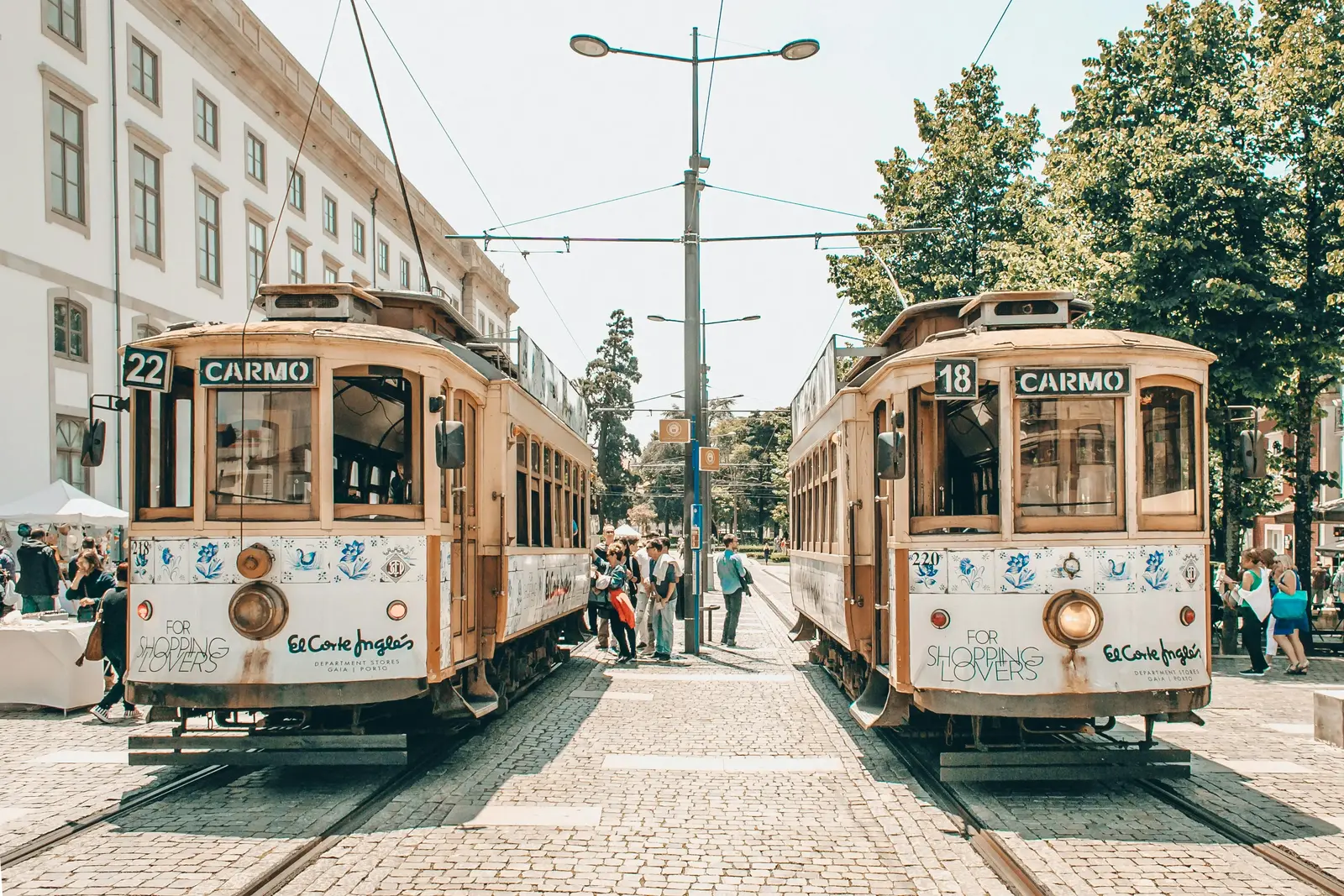
Small details from a weekend walk through Porto.
The River Changes the Pace
The Douro gives the city a natural pause.
After a morning of climbing streets and crossing busy squares, the riverfront feels like a long exhale. People sit with drinks, cameras, shopping bags, maps, and no particular urgency. Boats move slowly. The bridge throws its shadow across the water. On the opposite bank, the port houses line up like a painted backdrop.
It is touristy, yes. But sometimes places are popular because they work.
I walked along the water without trying to make much of it. That was the right decision.
What I’d Do Again
I would start early, before the streets fill.
I would walk without headphones.
I would stop for coffee even when the sensible version of the itinerary said to keep going.
I would take fewer wide photos and more small ones: door handles, tiles, handwritten menus, shoes on balconies, the shape of shadows on stone steps.
I would leave more room between plans.
That last one is advice I keep needing to relearn.
A Small Travel Rule
When I only have a few days in a place, I try not to make the trip prove anything.
A weekend does not need to become a complete understanding of a city. It can simply be a first conversation. You notice what you notice. You miss what you miss. You leave with a handful of images, a few meals, and maybe one street you would like to find again.
That is enough.
Before Leaving
On the last morning, the city was quieter.
A few cafés were opening. Delivery vans moved carefully through narrow lanes. Someone swept the pavement outside a shop. The river was still there, catching a softer kind of light.
I had a train to catch, so I did what everyone does at the end of a short trip: I started making promises to return.
Some places invite that kind of promise more easily than others.
Porto is one of them.